
Fuel Your Sport: Nutrition Tailored for Champions
Every athlete demands different nutritional strategies. Discover how elite sports nutrition science adapts to your specific discipline, performance goals, and body composition requirements.
Sport-Specific Macronutrient Ratios
Endurance athletes need different carbohydrate loading protocols than sprinters. Our evidence-based approach customizes protein, carbs, and fat percentages based on your primary sport and training phase.
Recovery Nutrition Strategies
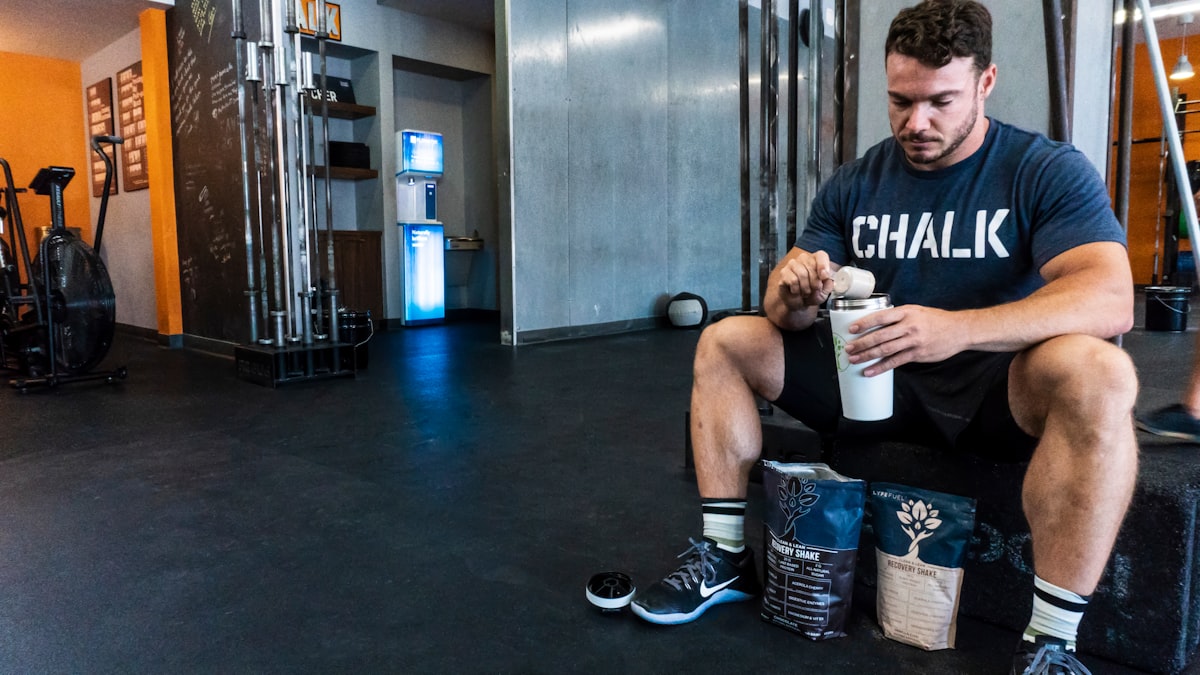
The critical window after training determines your adaptation gains. Learn timing, nutrient ratios, and meal composition that accelerates muscle repair and glycogen resynthesis for your specific sport.
Hydration & Electrolyte Science
Sweat rates and electrolyte losses vary dramatically between sports. Our guides cover personalized fluid intake, sodium strategies, and performance hydration protocols for soccer, rugby, cycling, and beyond.

Key Nutritional Elements by Sport Type
Different athletic pursuits demand different nutritional emphases. Explore the core micronutrients, timing strategies, and dietary foundations that optimize performance in your discipline.
Endurance Sports
Marathon runners, cyclists, and distance swimmers require strategic carbohydrate periodization and consistent calorie availability. Emphasis on sustained energy, iron intake for oxygen transport, and long-chain carbohydrates that maintain steady blood glucose during extended efforts lasting 90+ minutes.
- Carbohydrate loading protocols
- Iron and B-vitamin optimization
- Fat adaptation training nutrition
Strength & Power Sports
Rugby players, weightlifters, and sprinters prioritize protein intake for muscle protein synthesis and creatine status. High-quality amino acid profiles, creatine monohydrate utilization, and sufficient caloric surplus support tissue growth and neural drive during explosive movements and repeated power outputs.
- Protein timing and quantity
- Creatine supplementation science
- Nutrient timing for hypertrophy
Team Sport Nutrition
Soccer, basketball, and netball athletes face intermittent high-intensity demands requiring rapid energy availability and sustained performance across 60–90 minutes. Balanced macronutrient ratios, rapid-digesting carbohydrates, and strategic sodium intake manage fatigue resistance and cognitive sharpness during competitive play.
- Intermittent intensity fueling
- Hydration in competitive heat
- Match-day nutrition protocols
Athlete Success Stories Through Proper Nutrition
Real athletes across South Africa and beyond have transformed performance metrics through evidence-based nutrition strategies. Explore their journeys and the nutritional principles that drove measurable improvements.
Marathon Performance Breakthrough
Discover how strategic carbohydrate periodization and race-day fueling protocols helped distance runners improve finish times by optimizing energy availability during the critical final kilometers. Learn the science behind long-run nutrition and hydration strategies that prevent bonking and maintain steady pacing.

Rugby Power Development
Explore how protein optimization and strategic nutrient timing enabled forward pack players to gain functional strength while maintaining lean body composition. This case study examines daily macro allocation, pre-training fueling, and recovery nutrition that accelerates adaptation without excess fat accumulation.
Your Personalized Nutrition Journey
Nutrition science is not one-size-fits-all. Follow our evidence-based framework that assesses your sport, performance goals, and individual physiology to create a sustainable, effective nutrition strategy.
Assessment Phase
We evaluate your sport's unique demands, current training load, body composition goals, and dietary preferences. This includes analyzing your typical weekly schedule, competition calendar, and previous nutrition approaches. Understanding your baseline fitness level, injury history, and performance metrics ensures our recommendations align with your realistic timeline.
Nutrition Strategy Design
Our team develops a sport-specific nutrition plan addressing daily macronutrient targets, timing strategies, supplementation science, and hydration protocols. We consider your training phases—off-season, pre-competition, competition, recovery—and adapt intake accordingly. The plan includes practical meal examples, local South African food options, and flexible approaches that fit your lifestyle.
Implementation & Monitoring
Begin executing your nutrition strategy with detailed guidance on meal preparation, eating during training, and competition nutrition. We monitor your progress through performance metrics, body composition changes, energy levels, and competitive results. Regular check-ins allow adjustments to ensure the plan remains effective as your fitness evolves and seasonal demands shift.
Sport-Specific Meal Plans
Practical, science-backed meal structures tailored to the nutritional demands of different athletic pursuits. Each plan includes macro targets, timing strategies, and local South African food integration.
Endurance Athlete Plan
Optimized for 90+ minute continuous activity. Features carbohydrate periodization, consistent calorie surplus relative to training volume, and iron-rich foods supporting oxygen transport.
- 60–65% daily carbohydrates
- 1.2–1.4g protein per kg
- Race fueling protocols
- Hydration timing guides
Strength & Power Plan
Designed for muscle development and explosive performance. Emphasizes protein intake for hypertrophy, caloric surplus for gains, and strategic supplementation including creatine science.
- 1.8–2.2g protein per kg
- 20–30% above maintenance calories
- Creatine dosing protocols
- Pre/post-workout nutrition
Team Sport Plan
Balanced approach for intermittent high intensity (soccer, rugby, basketball). Supports sustained performance, rapid recovery between efforts, and cognitive sharpness throughout competition.
- 50–55% daily carbohydrates
- 1.6–1.8g protein per kg
- Match-day fueling strategies
- Electrolyte & hydration science
Common Questions About Sports Nutrition
Athletes frequently ask about timing, macros, supplementation, and sport-specific strategies. Explore evidence-based answers to help optimize your nutritional approach.
How many grams of protein do endurance athletes need daily?
Endurance athletes typically benefit from 1.2–1.4 grams of protein per kilogram of body weight daily. While less than strength athletes, adequate protein remains essential for maintaining muscle mass during high training volumes and supporting immune function during intense aerobic work. Spacing intake across 4–5 meals optimizes muscle protein synthesis throughout the day.
What is "carb loading" and when should I do it?
Carbohydrate loading is a strategy where athletes increase carbohydrate intake 1–3 days before endurance competition to maximize muscle glycogen stores. This is most beneficial for events lasting 90+ minutes. Modern protocols suggest gradual increases to 10–12 grams of carbs per kilogram body weight over 24–36 hours before the event, rather than extreme single-day loading.
Is creatine monohydrate safe for young athletes?
Creatine monohydrate is among the most researched and evidence-supported supplements for strength and power athletes. Studies in young populations show it is well-tolerated with minimal side effects when used at standard doses (3–5 grams daily). We recommend ensuring adequate hydration and consulting with your coach or nutrition professional before beginning supplementation.
What should I eat immediately after a match or intense training session?
Post-exercise nutrition should arrive within 30–60 minutes and contain carbohydrates (1.2 grams per kilogram body weight) and protein (0.25–0.4 grams per kilogram). Examples include a banana with peanut butter, a chicken sandwich, Greek yogurt with berries, or a sports drink with a protein bar. This window optimizes muscle repair and glycogen replenishment.
How do I calculate my daily calorie needs as an athlete?
Start with your basal metabolic rate (BMR), then multiply by your activity factor based on training volume. Endurance athletes might use 1.5–1.9x BMR, while strength athletes in a building phase might use 1.6–2.2x. Monitor body weight, energy levels, and performance metrics weekly—adjust intake by 200–300 calories if trends don't match your goals.
Does hydration strategy differ by sport?
Yes. Endurance athletes in heat need frequent small sips (150–250ml every 15–20 minutes). Rugby and team sport athletes with intermittent intensity may drink during breaks and sidelines. Individual sweat rates vary significantly based on climate, fitness level, and genetics. Test your hydration plan during training, not competition, to prevent gastrointestinal distress.
Qualitative Performance Metrics That Matter
Track these key indicators to assess whether your nutrition strategy is supporting athletic performance and sustainable long-term development.
Energy & Recovery Quality
Consistent energy throughout training, rapid fatigue recovery between sessions, and improved sleep quality indicate proper calorie and nutrient balance. Athletes with optimized nutrition report sustained focus during competition and faster restoration of strength day-to-day.
Performance Progression
Measurable improvements in endurance capacity, strength gains, sprint speed, or sport-specific metrics signal that nutrition is fueling adaptation. Consistent incremental progress in training volume and intensity suggests macronutrient timing and total intake are adequate for your training load.
Body Composition Stability
Stable weight with preserved or improved muscle mass indicates your macronutrient ratios and calorie balance match your goals. Athletes building strength should see gradual weight gain while maintaining low body fat. Endurance athletes should maintain lean physiology without excessive muscle loss.
Immune Function & Health
Proper nutrition strengthens immune resilience, reducing common infections during heavy training blocks. Athletes report fewer missed sessions, sustained motivation, and mental clarity. Adequate micronutrient intake (iron, zinc, B vitamins) is particularly important for athletes managing intense training volumes.
Start Optimizing Your Sports Nutrition Today
Explore our comprehensive nutrition guides, sport-specific strategies, and evidence-based recommendations to fuel your athletic performance and accelerate your progress toward peak fitness and competitive success.
Why Evidence-Based Nutrition Matters
Nutrition represents a controllable variable that directly influences training adaptation, recovery, body composition, and competitive performance. Unlike genetics or natural talent, what you eat is entirely within your control—making it one of the highest-leverage investments in athletic development.
The The Power of Personalized Nutrition
Every athlete is unique. Your nutritional needs depend on your sport, training intensity, body composition goals, and metabolic characteristics. A one-size-fits-all approach wastes time and resources.
Our evidence-based system accounts for these individual differences, delivering customized meal plans and macronutrient targets that align with your specific objectives.
- Personalized macronutrient ratios based on your sport and goals
- Meal timing strategies to optimize recovery and performance
- Supplement protocols based on scientific evidence
- Ongoing adjustments as your training progresses

What Athletes Are Saying
Real results from real athletes using Nutritionpowerplan
"The personalized approach changed everything for me. I went from feeling sluggish during training to having consistent energy throughout my workouts. My strength gains accelerated within 4 weeks."
Sarah Mitchell
Competitive CrossFit Athlete
"I was skeptical about nutrition planning, but the science behind it made sense. My recovery improved dramatically, and I'm leaner while actually gaining muscle. This is a game-changer."
Marcus Johnson
College Football Player
"The meal plans are practical and delicious. Unlike other nutrition programs, this actually fits into my lifestyle. My performance metrics have improved across the board."
Jessica Chen
Distance Runner
Frequently Asked Questions
Everything you need to know about Nutritionpowerplan
How long before I see results?
Most athletes notice improvements in energy levels and recovery within 1-2 weeks. Measurable changes in body composition and performance typically appear within 4-6 weeks of consistent adherence to the program.
Is this suitable for all sports?
Yes. Our system is designed to adapt to any sport—from strength sports like powerlifting to endurance activities like marathon running, and team sports like soccer. Each program is customized for your specific discipline.
Do I need to count calories?
Not necessarily. While calorie awareness is helpful, our system provides meal plans and portion guidelines that handle the calculations for you. We focus on adherence and sustainability over strict tracking.
What if I have dietary restrictions?
We accommodate all dietary preferences and restrictions including vegetarian, vegan, keto, gluten-free, and allergies. Your customized plan will work within your constraints without compromising results.
Is there ongoing support?
Absolutely. You'll have access to our support team, progress tracking tools, and regular plan adjustments based on your results. We're with you throughout your athletic journey.