
Fuel Your Performance: Sport-Specific Nutrition Guides
Discover comprehensive nutrition strategies tailored to different types of sports. From endurance athletes to strength competitors, we provide evidence-based nutritional guidance to optimize your athletic performance and recovery.
How Nutrition Shapes Athletic Excellence
Proper nutrition impacts every aspect of athletic performance—from muscle recovery to energy levels, mental focus, and long-term health outcomes.
Energy & Endurance
Strategic carbohydrate and hydration timing directly impacts aerobic capacity and sustained performance during long-duration activities.
Muscle Recovery
Adequate protein intake combined with essential micronutrients supports muscle repair, adaptation, and progressive strength development.
Mental Focus
Balanced blood sugar, adequate hydration, and specific nutrients enhance concentration, decision-making, and competitive edge during events.
Injury Prevention
Proper nutrition strengthens connective tissue, supports immune function, and reduces recovery time between intense training sessions.
Browse Sports Nutrition Categories
Select your sport or activity type below to explore tailored nutritional strategies, meal timing recommendations, and supplement guidance specific to your athletic discipline.
Distance Running & Marathon Training
Learn how to fuel long-distance running with strategic carbohydrate loading, electrolyte management, and recovery nutrition. Discover meal timing strategies for training runs and race day preparation.
Explore Running NutritionCycling & Road Racing Nutrition
Master nutrition for competitive cycling with portable fuel options, hydration protocols, and altitude training guidelines. Explore energy gel timing, electrolyte drinks, and recovery between stages.
Explore Cycling NutritionStrength Training & Muscle Building
Optimize muscle growth with detailed protein timing, caloric surplus strategies, and micronutrient profiles. Learn meal frequency, pre/post-workout nutrition, and supplementation for progressive strength.
Explore Strength NutritionCompetitive Swimming & Triathlon
Fuel high-volume swimming training with anti-inflammatory nutrition and recovery protocols. Discover triathlon-specific fueling strategies, intestinal comfort considerations, and multi-sport energy management.
Explore Swimming NutritionTeam Sports & Field Competition
Support intermittent high-intensity efforts in football, basketball, rugby, and hockey with strategic hydration and quick-energy options. Learn about match-day nutrition and recovery between games.
Explore Team Sport NutritionYoga, Pilates & Flexibility Training
Support mind-body practices with balanced macronutrients, anti-inflammatory foods, and proper hydration timing. Explore recovery nutrition, joint support strategies, and sustained energy for long sessions.
Explore Mind-Body NutritionCrossFit & Functional Fitness
Master mixed-modal training nutrition with flexible macronutrient approaches, quick-absorbing carbs, and recovery prioritization. Explore scaling nutrition across varied training demands and competition preparation.
Explore Functional Fitness NutritionCombat Sports & Combat Training
Navigate weight management, safe cutting strategies, and explosive power nutrition for boxing, MMA, wrestling, and martial arts. Learn recovery protocols between bouts and sustained performance during training camps.
Explore Combat NutritionWhy Tailored Nutrition Matters for Athletes
One-size-fits-all nutrition advice ignores the unique metabolic demands of different athletic activities. A sprinter's nutritional needs differ dramatically from a marathon runner's. A strength athlete requires different energy systems than a basketball player during competition.
Sport-specific nutrition optimizes the three energy systems your body uses: phosphocreatine (for explosive power), anaerobic glycolysis (for high-intensity work), and aerobic metabolism (for sustained effort). By understanding your sport's energy demands, competition duration, and recovery patterns, you can fuel more strategically.
Our comprehensive guides examine the latest research on macronutrient timing, micronutrient requirements, hydration protocols, and supplementation strategies specific to your athletic discipline.

Meal Prep Ideas for Every Sport
Explore practical meal preparation strategies and nutrition examples tailored to different sports. These templates help athletes implement evidence-based nutrition consistently.
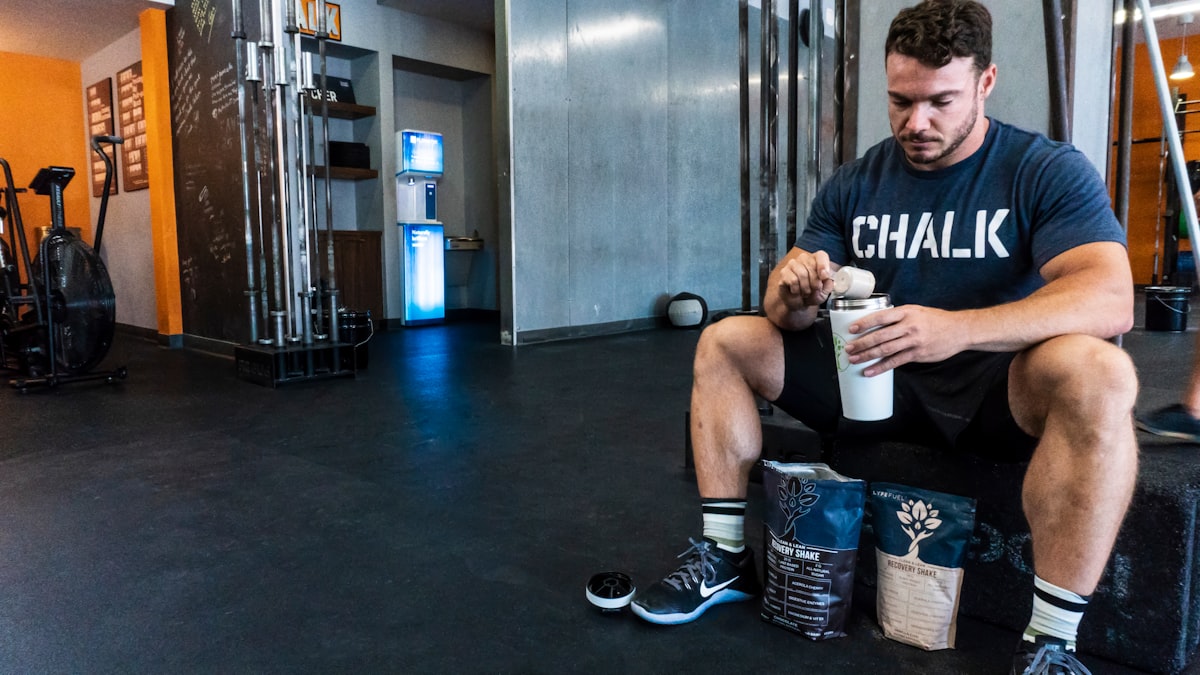
Endurance Athlete Weekly Plan
High-carbohydrate focus with moderate protein. Includes portable fuel options for long training sessions and race-day fueling strategies.
Read Full Plan
Strength Athlete Muscle-Building Plan
Protein-focused preparation with strategic caloric surplus. Covers pre/post-workout nutrition windows and daily macro distribution for progressive strength gains.
Read Full Plan
Team Sport Intermittent Intensity Plan
Balanced macronutrients for intermittent high-intensity efforts. Includes sideline hydration, match-day fueling, and recovery between games.
Read Full Plan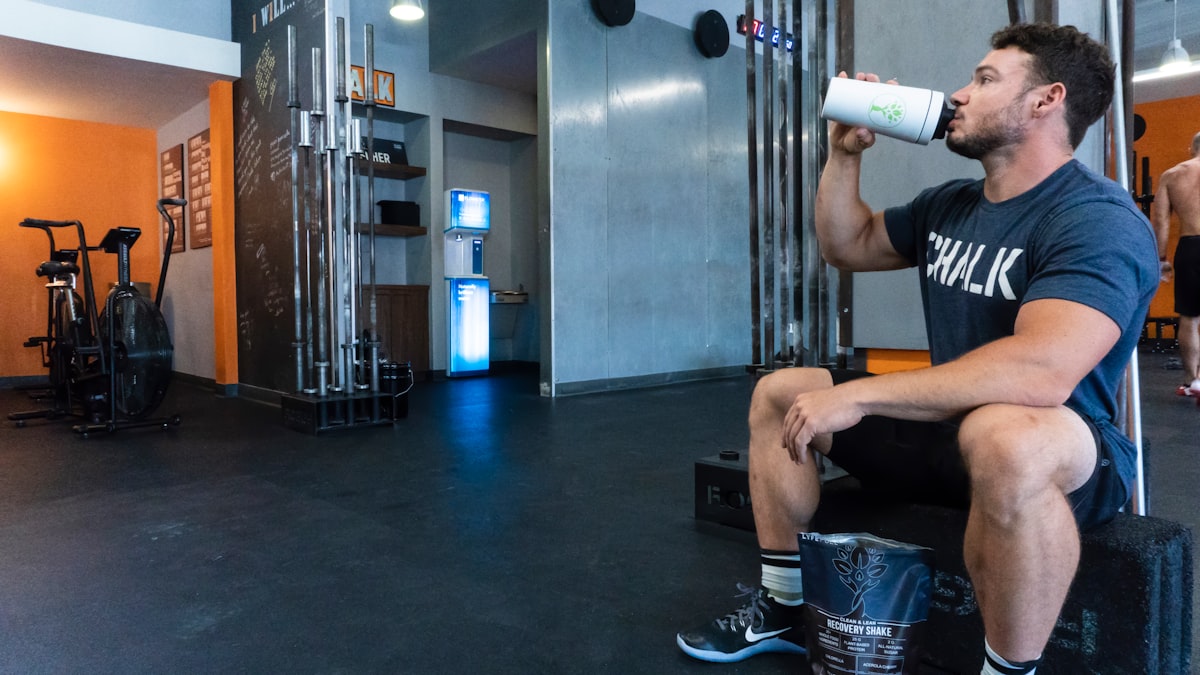
CrossFit & Functional Fitness Flexible Plan
Flexible macro approach for varied intensity days. Emphasizes quick recovery between sessions and adaptable meal options for busy schedules.
Read Full Plan
Swimming High-Volume Recovery Plan
Anti-inflammatory focus to support high training volume. Features easily digestible options and recovery nutrition between multiple daily sessions.
Read Full Plan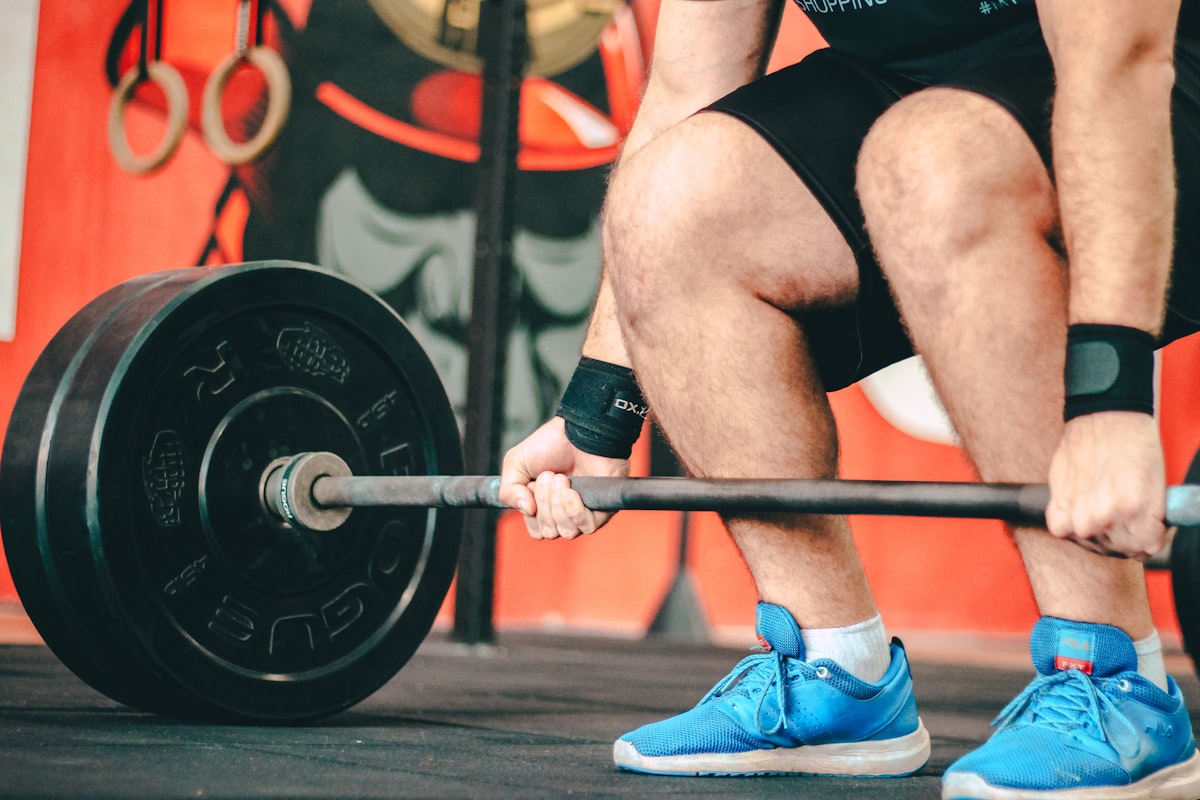
Mind-Body Balanced Wellness Plan
Whole-foods emphasis with anti-inflammatory choices. Supports sustained energy for long sessions and joint health during flexibility training.
Read Full PlanCommon Questions About Sport Nutrition
Find answers to frequently asked questions about nutrition strategy, meal timing, hydration, and supplementation for athletic performance.
How much water should I drink during training?
Hydration needs vary by sport, climate, duration, and individual sweat rates. A general guideline is 500-800 mL per hour of exercise, but endurance athletes and those in hot conditions may need more. Monitor urine color (pale yellow indicates adequate hydration) and consider electrolyte replacement during efforts exceeding 60-90 minutes.
What should I eat before a competition?
Pre-competition meals should be high in carbohydrates, moderate in protein, low in fat and fiber to minimize digestive discomfort. Eat 3-4 hours before competition for a full meal, or 1-2 hours before for a snack. Choose familiar foods you've successfully used during training to avoid surprises on race day.
How important is the post-workout nutrition window?
Recovery nutrition matters, but the "anabolic window" is wider than once believed. Aim to consume protein and carbohydrates within 1-2 hours after training, but total daily intake remains more important than precise timing. Focus on consistent quality nutrition throughout the day rather than obsessing over exact post-workout protocols.
Do I need supplements or is food enough?
Whole foods should form the foundation of sports nutrition. Supplements can enhance performance when specific gaps exist—electrolyte drinks for endurance sports, protein powder for convenience, creatine for strength sports. However, no supplement replaces consistent whole-food nutrition, adequate sleep, and intelligent training.
How often should I adjust my nutrition plan?
Review your plan every 4–6 weeks based on progress toward goals, energy levels, and performance metrics. As your training intensity changes, your nutrition should too. Seasonal adjustments, body composition changes, and new fitness goals all warrant reassessment. Work with a nutritionist for major changes.
Ready to Transform Your Performance?
Start your personalized nutrition plan today and unlock your athletic potential. Science-backed strategies, zero guesswork.
Success Stories from Our Athletes
James Miller
Marathon Runner
"The Nutritionpowerplan helped me optimize my fueling strategy. I cut my marathon time by 12 minutes and eliminated GI issues during races. The carb-loading science was a game-changer."
Sarah Rodriguez
CrossFit Athlete
"I gained lean muscle, improved my power output, and felt more energized during WODs. The macro-cycling approach made all the difference. Highly recommend!"
David Chen
Competitive Cyclist
"Structured nutrition planning brought structure to my training too. My power-to-weight ratio improved, and I've never felt better on the bike. Worth every penny."
Your Best Performance Starts with Better Nutrition
Join hundreds of athletes who've already optimized their nutrition plans and achieved their goals. The science is clear—fuel right, perform better.
Start Your Transformation Today